What Your HbA1c Level Says About Your Metabolic Health
When most people receive their HbA1c test report, they look at the number, ask whether it's "normal," and move on.
But your HbA1c is much more than another laboratory value.
Think of it as your body's metabolic report card. Unlike a single blood sugar reading that reflects one moment in time, HbA1c reveals how your blood sugar has been behaving over the past two to three months. It offers valuable insight into how well your body is managing glucose, how effectively insulin is working, and whether you may be at risk of developing future health problems.
Understanding your HbA1c can help you make informed decisions today that protect your health tomorrow.
What Is an HbA1c Test?
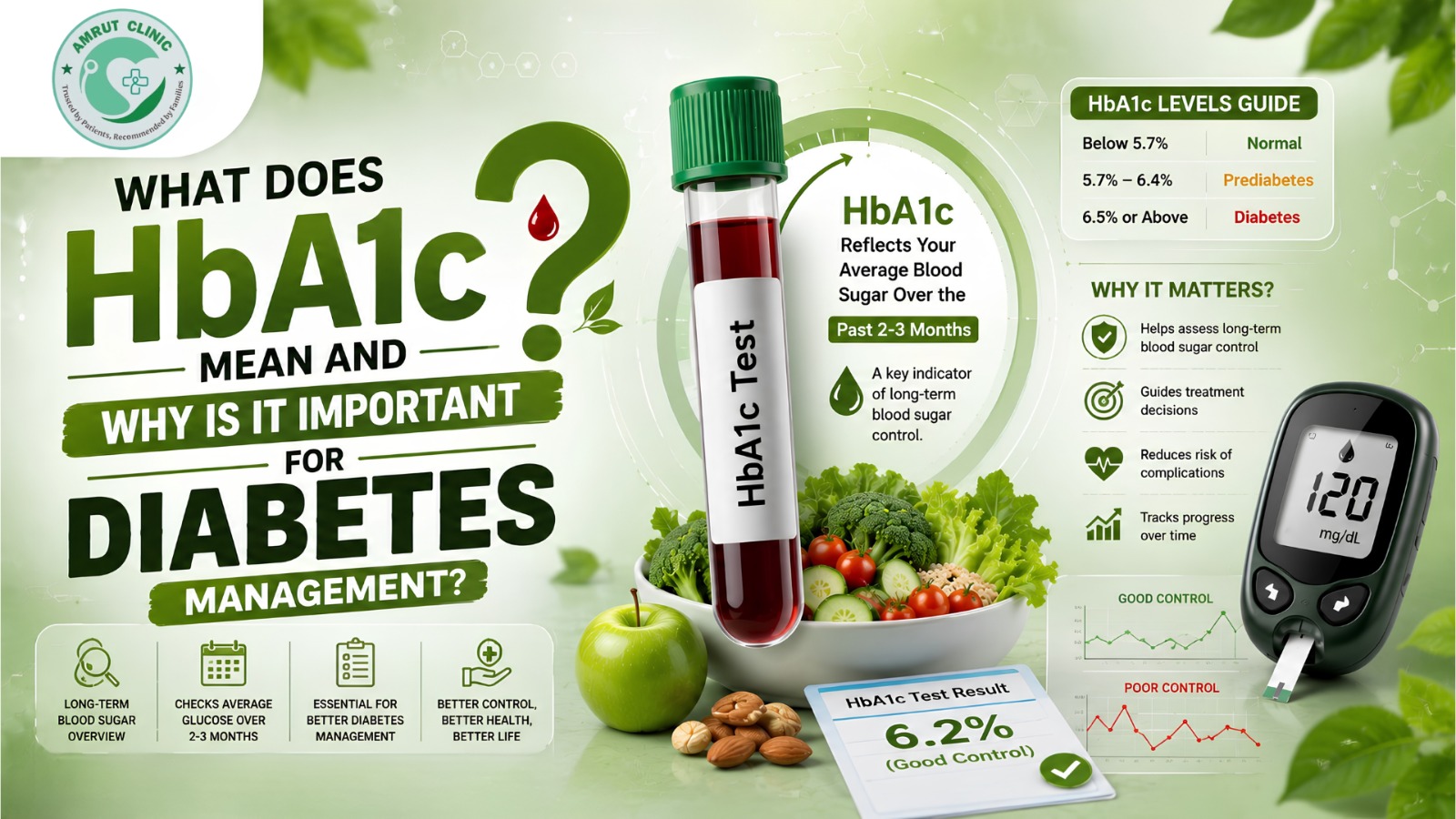
The HbA1c test measures the percentage of glucose attached to your red blood cells, giving an average of your blood sugar levels over the previous 8–12 weeks.
Because red blood cells live for about three months, the test provides a long-term picture of blood sugar control rather than a single day's reading.
Many people undergo an HbA1c test in Kalyan as part of routine diabetes screening, ongoing diabetes management, or preventive health check-ups.
Understanding Your HbA1c Results
Your HbA1c level can indicate whether your blood sugar is within a healthy range or whether you're at risk of developing diabetes.
| HbA1c Level | What It Means |
|---|---|
| Below 5.7% | Normal |
| 5.7%–6.4% | Prediabetes |
| 6.5% or above | Diabetes |
Many people think HbA1c is only important if they have diabetes. In reality, it tells us much more.
A consistently elevated HbA1c often suggests that the body is struggling to regulate blood sugar effectively. Over time, this can indicate insulin resistance, a condition in which the body's cells become less responsive to insulin.
Insulin resistance is one of the earliest warning signs of poor metabolic health and is closely linked to several chronic conditions.
What Can a High HbA1c Mean for Your Health?
When HbA1c remains elevated over time, it may increase the risk of:
1. Insulin Resistance
As insulin becomes less effective, blood sugar levels continue to rise, making it more difficult for the body to maintain healthy glucose control.
2. Increased Belly Fat
Excess glucose is more likely to be stored as fat, particularly around the abdomen and internal organs. This type of fat is associated with a higher risk of metabolic disease.
3. Low Energy Levels
Many people with high HbA1c experience frequent tiredness, sluggishness, and energy crashes throughout the day because their body is unable to use glucose efficiently.
4. Type 2 Diabetes
Prediabetes can gradually progress to Type 2 diabetes if blood sugar remains uncontrolled over time.
5. Polycystic Ovary Syndrome (PCOS)
Insulin resistance is one of the major factors contributing to PCOS, making HbA1c an important marker for many women experiencing hormonal imbalance.
6. Heart Disease
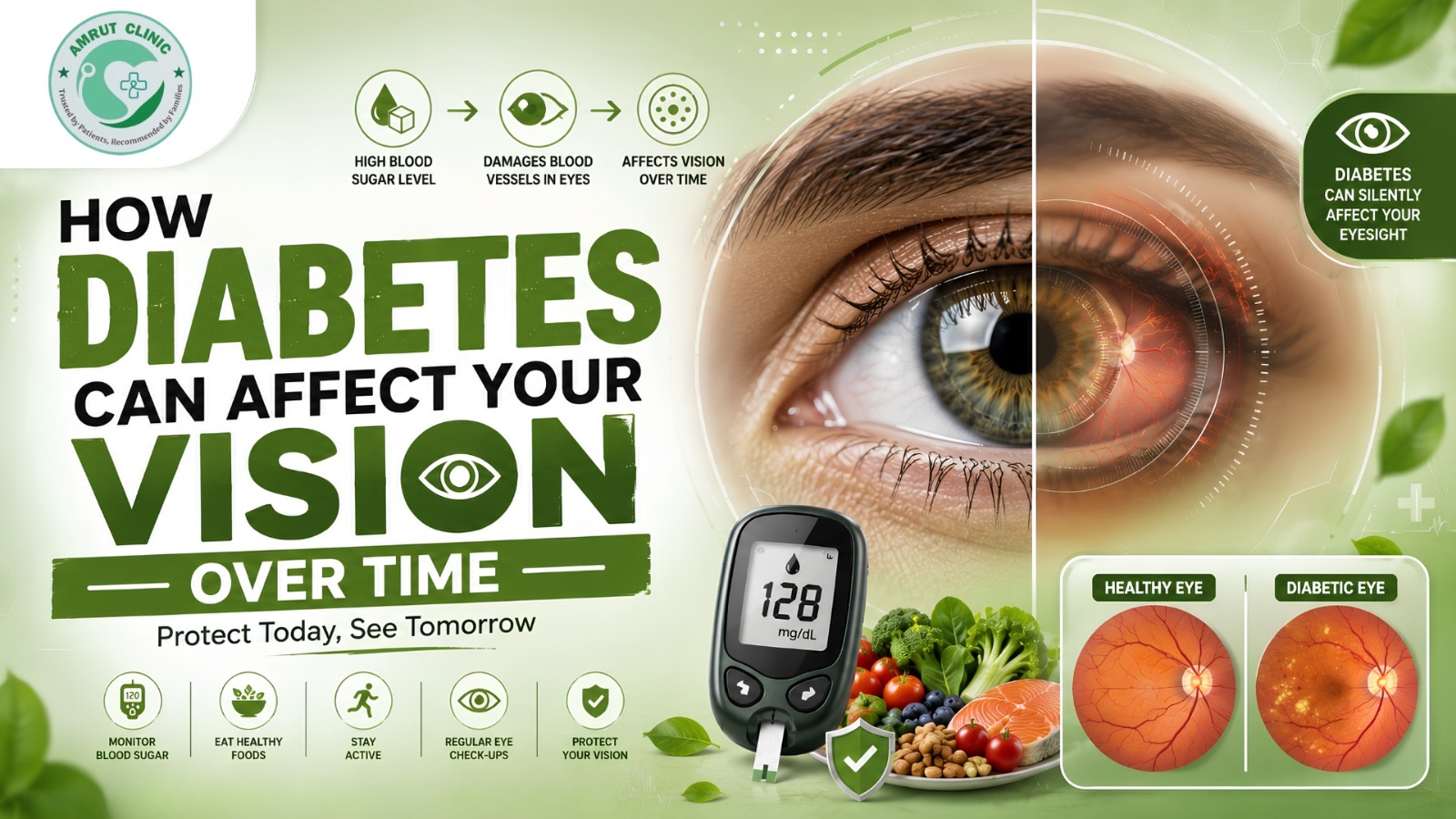
Persistently high blood sugar can damage blood vessels, increasing the risk of high blood pressure, heart disease, and stroke.
Can You Improve Your HbA1c?
The encouraging news is that even a small reduction in HbA1c can have a meaningful impact on your long-term health.
Improving HbA1c doesn't require extreme diets or quick fixes. Instead, it comes from building healthy habits that you can maintain consistently.
Some of the most effective strategies include:
1. Choose Balanced Meals
Focus on meals that combine lean protein, high-fiber vegetables, whole grains, and healthy fats. Balanced meals help slow the absorption of glucose and reduce blood sugar spikes.
2. Choose Low Glycaemic Foods More Often
Foods with a lower glycaemic index release glucose more gradually, helping support better blood sugar control.
3. Move After Meals
A simple 15–20 minute walk after eating can help your muscles use glucose more effectively and reduce post-meal blood sugar spikes.
4. Stay Active Every Day
Regular physical activity improves insulin sensitivity and supports better metabolic health. Even moderate daily movement can make a difference.
5. Prioritize Sleep
Aim for at least seven hours of quality sleep each night. Poor sleep affects hormones involved in blood sugar regulation and may increase insulin resistance.
6. Manage Stress
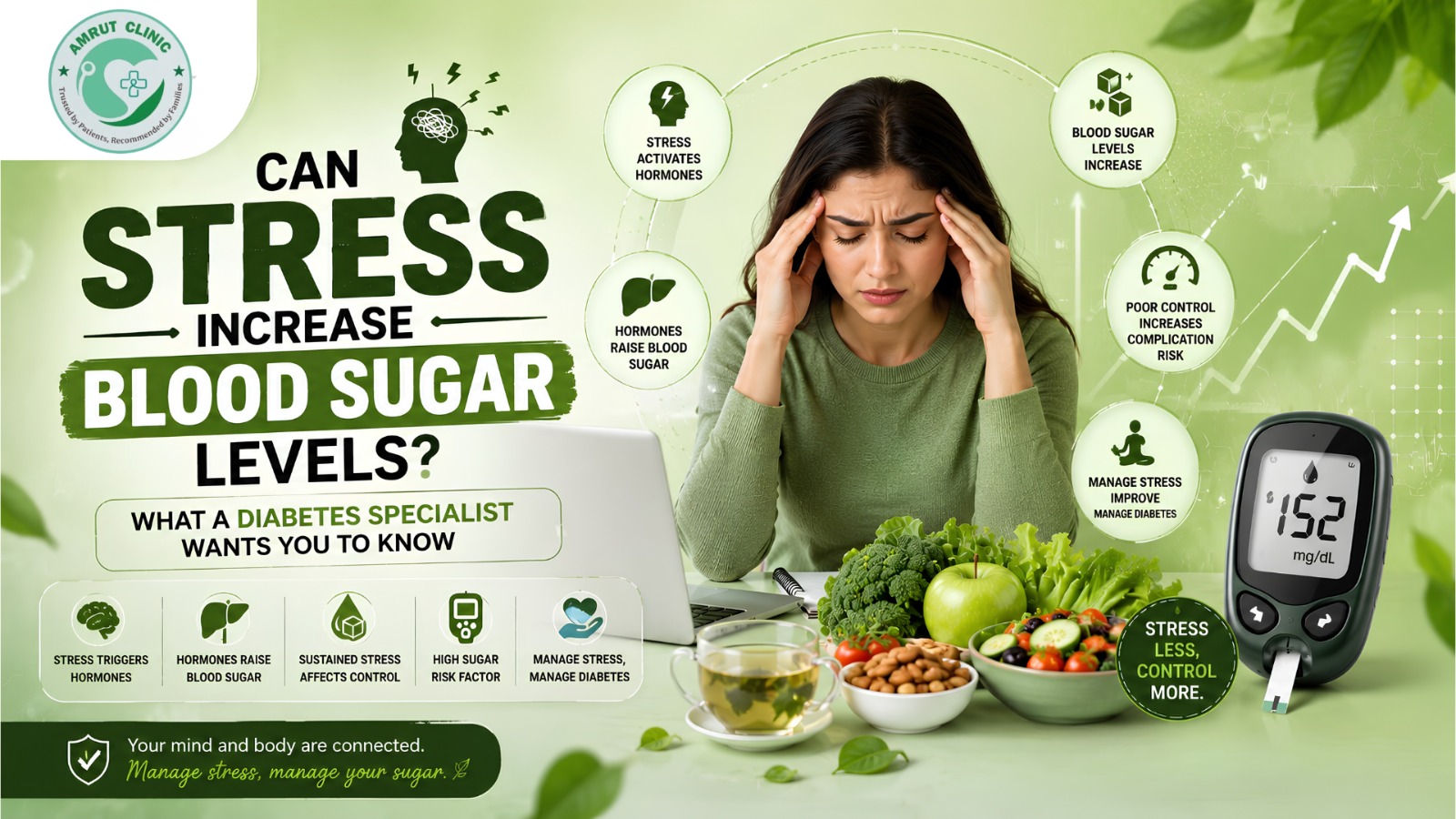
Chronic stress causes the body to release hormones that can raise blood sugar levels. Deep breathing, meditation, yoga, and mindfulness practices can support both emotional and metabolic health.
7. Reduce Refined Sugar and Processed Carbohydrates
Limiting sugary drinks, sweets, and highly processed foods can help reduce unnecessary blood sugar spikes and improve overall metabolic balance.
Why Regular HbA1c Monitoring Matters
Many people don't experience obvious symptoms during the early stages of prediabetes or insulin resistance.
Regular monitoring allows changes to be identified before complications develop.
A diabetes specialist in Kalyan may recommend periodic HbA1c testing for individuals with diabetes, prediabetes, obesity, PCOS, a family history of diabetes, or other metabolic risk factors.
Tracking HbA1c over time provides a clearer picture of your progress than relying on individual blood sugar readings alone.
The Bottom Line
Your HbA1c is far more than just a number on a lab report.
It reflects how your body has been managing blood sugar over the past few months and offers valuable insight into your overall metabolic health. Whether you're aiming to prevent diabetes, manage an existing condition, or simply improve your long-term well-being, understanding your HbA1c is an important step.
For individuals with prediabetes or diabetes, regular HbA1c monitoring plays an important role in diabetes management in Kalyan, helping healthcare providers evaluate whether lifestyle changes and treatment plans are effectively controlling blood sugar levels.
At Amrut Clinic, a trusted provider of diabetes care in Kalyan West, we believe that early detection, personalized guidance, and sustainable lifestyle changes are the foundation of better metabolic health. By monitoring HbA1c regularly and addressing risk factors early, many people can reduce their chances of developing diabetes and other chronic health conditions while improving their overall quality of life.